

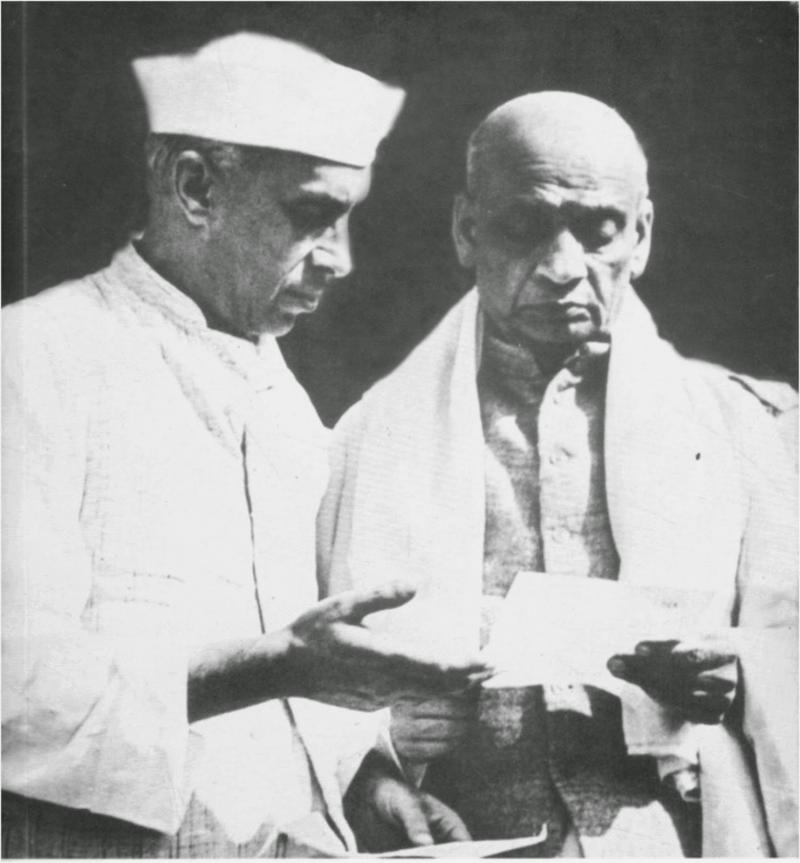
By Sandeep Bhardwaj
One of the pernicious myths of Indian politics that refuses to die is the claim that Jawaharlal Nehru somehow “stole” India’s premiership from Vallabhbhai Patel. The most popular variant of the myth suggests that Mahatma Gandhi manipulated the 1946 internal elections of Congress to install Nehru as its head, even though Patel was more popular within the party and the country. Of course, this claim is patently false. Yet it is propagated time and again by news media, TV shows and even the BBC (which should know better).
Peddling anti-Nehru propaganda is undoubtedly politically profitable these days. But teaching the public that the founding fathers illegitimately captured power by manipulating elections is dangerous for Indian democracy. It also poisons the shared memory of the country’s independence and is, frankly, unpatriotic. Unfortunately, historians have not pushed back against the myth strongly enough. Below I lay out the historical context of Nehru’s ascension and the story of the 1946 elections.
Continue reading
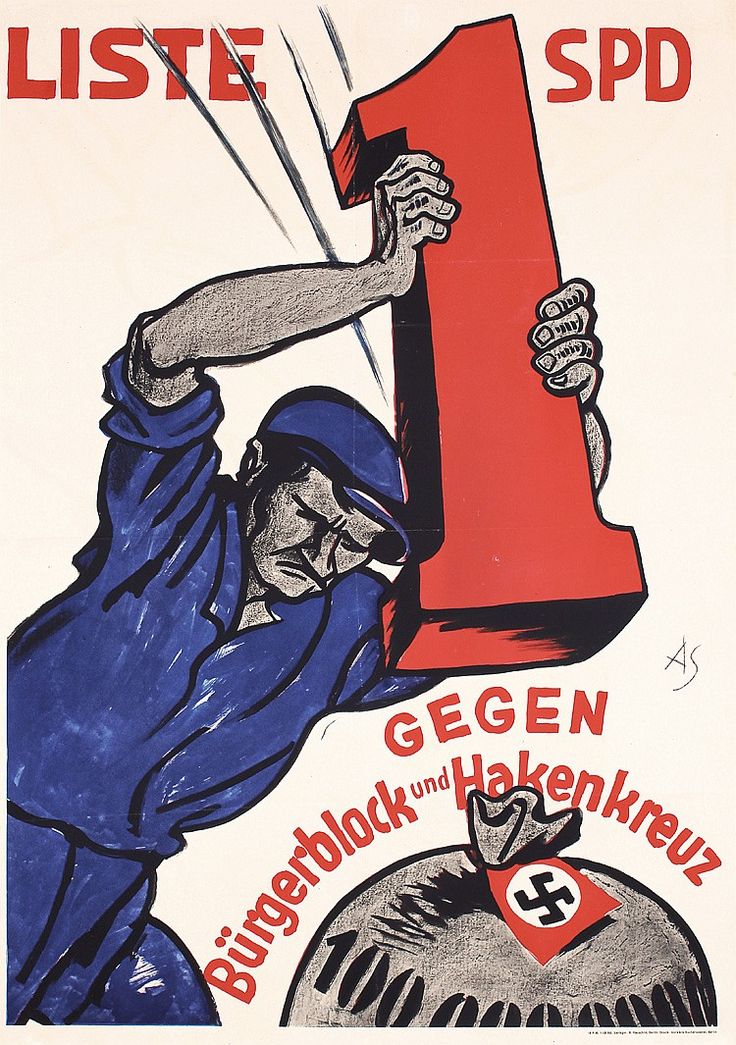
 On Tuesday, 29 October 1929, the New York Stock Exchange opened under a cloud of fear. The market had been plummeting for the last five days and the brokers sensed that the worst was yet to come. They were not wrong. As the story goes, the opening bell of the exchange was never heard because the shouts of “Sell! Sell! Sell!” drowned it out. Within first thirty minutes, US$ 2 million evaporated into thin air and the slide continued. Phone lines were clogged and telegram service exhausted. By the end of the day, the market had lost US$ 14 billion – about 180 billion in today’s dollars. The ticker tape that recorded transactions ran for 15,000 miles! This was “Black Tuesday”, the beginning of the Great Depression, the longest, the deepest and the most widespread economic depression of the 20th Century. It would take the world twelve years to recover from it.

 Revisiting India